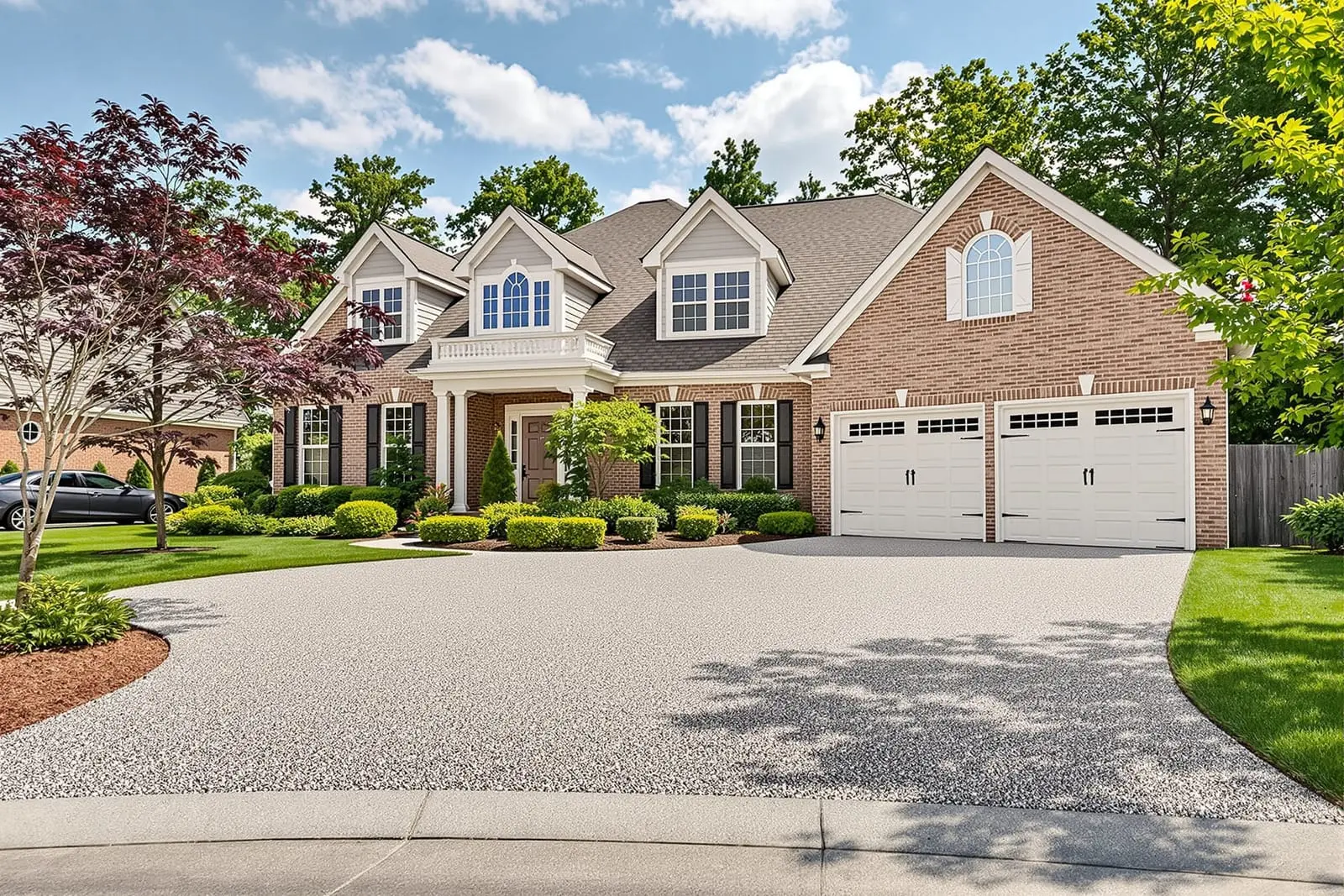
Tired of dust, mud, and ruts in your gravel driveway. Our gravel to asphalt conversions in Nashville, TN turn rough lanes into smooth, low maintenance pavement. We regrade the base, compact it, and install hot mix asphalt tailored to your traffic needs. Enjoy cleaner vehicles and a more polished look in just a short timeframe.
Prestige Asphalt Nashville provides professional gravel to asphalt conversion throughout Nashville, TN and the surrounding area. Our licensed, insured crew delivers safe, clean, on-time work with a free estimate before anything begins. Call (629) 283-2850 or request your free quote.
Turn Your Gravel Drive or Lot Into a Clean, Paved Surface
A gravel surface might work for a while, but in Middle Tennessee it usually means ruts after every rain, dust in the summer, and mud in the winter. Prestige Asphalt Nashville focuses on professional gravel to asphalt conversion for homes, small businesses, churches, and multi-unit properties across the Nashville area.
Our crews do more than simply throw asphalt on top of stone. We evaluate your existing gravel base, soil conditions, slope, and drainage so the new asphalt does not crack or rut a year later. From Green Hills and Bellevue to Hendersonville and Nolensville, we design each conversion to handle real daily use and Tennessee’s freeze-thaw cycles.
If your gravel drive tears up your vehicles, washes out in storms, or looks messy at the front of your property, converting to asphalt can give you a cleaner, safer, and easier-to-maintain surface that still fits a realistic budget.
How Gravel-to-Asphalt Conversion Actually Works
A durable asphalt surface in Nashville starts with the right base work. For most residential drives and light commercial lots, we follow a clear series of steps:
1. Site inspection and measurement. We check the depth and quality of the existing gravel, look for soft spots, review traffic patterns (cars, delivery trucks, or heavier vehicles), and measure slopes to plan water runoff.
2. Grading and reshaping. Using skid steers and graders, we rework the existing gravel, add new base stone where needed, and create the correct crown or cross slope so water does not sit on the finished asphalt.
3. Base repair and compaction. Soft, pumping areas are excavated to stable soil, then rebuilt with compacted crushed stone. We compact in layers using vibratory rollers, which is critical on older gravel drives that have developed low spots.
4. Edge preparation. We clean and define edges along turf, landscaping, concrete, and street tie-ins so the new asphalt has clear boundaries and proper support instead of crumbling into grass.
5. Asphalt placement. Depending on use, we typically install 2 to 3 inches of compacted hot mix asphalt for residential drives, and 3 to 5 inches for heavier-use commercial areas. Mix designs are chosen to balance flexibility, strength, and local temperature swings.
6. Rolling and finish work. We compact with steel drum and pneumatic rollers, then address transitions at the street, sidewalks, and garage slabs so there are no trip lips or abrupt bumps.
By the time we are done, your old gravel surface is essentially a properly built asphalt system, not just a cosmetic layer on top.
Nashville Climate and the Best Time to Convert
Middle Tennessee weather has a direct impact on when and how gravel to asphalt conversion should be done. Hot mix asphalt needs both the plant mix temperature and the ground temperature to be within a workable range so it can compact and bond correctly.
In Nashville, the most reliable paving windows are typically from late March through early June and from late August through early November. Summer work is common, but extremely hot afternoons can shorten compaction time, so our crews plan start times to avoid rushed finishes.
During winter, cold ground and frequent freeze-thaw cycles make full conversions risky. Prestige Asphalt Nashville usually limits work in the coldest months to repairs or emergency patches unless there is an unusual warm spell and ground temperatures are acceptable.
Rain is another key factor. Light surface moisture can often be addressed, but steady rain or saturated subgrade can ruin a project. We track local forecasts closely and will reschedule, rather than paving on a base that will later shift or weaken.
When you contact us, we will give timing recommendations specific to your property, sun exposure, and soil conditions, so the conversion is scheduled for a window that supports long-term performance.
Cost Factors Specific to Gravel-to-Asphalt Conversion
Two gravel driveways of the same length can have very different conversion costs. Prestige Asphalt Nashville provides detailed, line item estimates so you understand exactly what you are paying for.
Major cost drivers include:
• Base quality and depth. A deep, well-compacted gravel base that has been in place for years can often be reused with minor corrections, which lowers cost. Thin or loose gravel, or drives laid directly over clay, usually require more stone and labor.
• Access and layout. Straight, open drives are faster to grade and pave. Tight curves, steep hills, shared drive entries, and limited equipment access add time and crew effort.
• Thickness and mix type. Light residential use may only need a standard surface mix at 2 to 3 inches compacted thickness. Small businesses that receive box trucks, delivery vans, or trailers often need thicker sections or a base course plus surface course.
• Drainage improvements. Installing swales, small ditches, or additional culverts to move water away from the pavement can add to upfront cost but usually prevents thousands of dollars of damage later.
We walk each site in person, probe the base, and explain where we can utilize your existing gravel and where reinforcement is necessary so you can make informed decisions about balancing budget and longevity.
Design Choices: Thickness, Layout, and Edges
A good gravel to asphalt conversion is part engineering and part design. Beyond simply blacktopping what is already there, we review how your space should function.
For residential projects, that can include slightly widening a narrow gravel lane so two vehicles can pass, reshaping a parking area near a garage, or adding a turnaround or parking pad so backing into traffic is reduced. In older Nashville neighborhoods with tight lots, a few design adjustments often make daily use much easier.
Thickness is customized to use. For a typical single-family home with cars and SUVs, Prestige Asphalt Nashville often recommends a compacted asphalt thickness of about 2.5 inches over a solid stone base. For heavy SUVs, work trucks, or boat trailers, we may add thickness or suggest a two-layer system with a stronger base course.
Edge treatment matters for both appearance and performance. Options include asphalt neatly meeting lawn (with a compacted stone shoulder), asphalt tied into existing concrete, or concrete ribbons and curbs where a sharper, more formal boundary is desired. On slopes, we may recommend edge support such as additional stone shoulders to prevent edge cracking over time.
Common Problems We Solve During Conversion
Not every gravel driveway or lot in Nashville is a good base on day one. Part of our job is identifying and fixing hidden issues that would shorten the life of your new asphalt.
Soft spots and pumping areas are common on older gravel surfaces built directly on clay. We locate these by walking, driving, and in some cases probing the base. These sections are dug out to stable material, then rebuilt with graded stone installed and compacted in lifts.
Drainage failures are another frequent issue. Evidence includes standing water after rain, moss or algae growth, and visible rutting. Our crews correct slopes, cut shallow swales, clear existing culverts, and, when needed, add additional drainage structures before asphalt is placed.
Dust and loose stone can hide base separation or thin areas. During grading, we often discover zones where gravel is only an inch or two thick over soil. Instead of paving over those, Prestige Asphalt Nashville blends in additional stone and compacts to create a consistent foundation.
On steep driveways, we pay particular attention to traction and water flow. This may involve adjusting the vertical profile, using mixes that handle shear forces better, and adding strategic drains or turnouts to keep water from running straight down the drive and cutting channels.
What to Expect From Estimate to Finished Pavement
A clear process makes a big difference, especially when work affects your daily access to your home or business.
1. On-site consultation. A project manager meets you at the property, walks the full length of the gravel area, notes vehicle types and traffic patterns, checks drainage, and discusses any changes you want to make to layout or width.
2. Written proposal. You receive a detailed proposal that outlines base work, asphalt thickness, mix type, drainage improvements, and projected schedule. We also explain what you will need to move or relocate before work begins, such as vehicles, trailers, or portable buildings.
3. Scheduling and prep. Once approved, we schedule your gravel to asphalt conversion in a suitable weather window for Nashville. Before we arrive, you clear the area and we contact any necessary utilities if excavation depth requires it.
4. Construction. Most residential conversions are completed in one to two days, depending on length and complexity. During this time your drive or lot will be inaccessible to vehicles, so we help you plan parking and access.
5. Initial cure period and care. After paving, we typically recommend keeping vehicles off for at least 24 hours, longer in cooler shaded areas. For the first few weeks, avoid sharp turns while stationary and heavy point loads like motorcycle kickstands without pads.
Prestige Asphalt Nashville stands behind its gravel to asphalt conversions with workmanship warranties that are clearly spelled out before work begins, so you know exactly what is covered and for how long.
“
Professional gravel-to-asphalt conversions, done right the first time, quality materials, honest pricing, and results that last.
Prestige Asphalt Nashville
Gravel-to-Asphalt Conversions Across Our Service Area